Tackling Tradition: Challenging Child Marriage in the Modern World
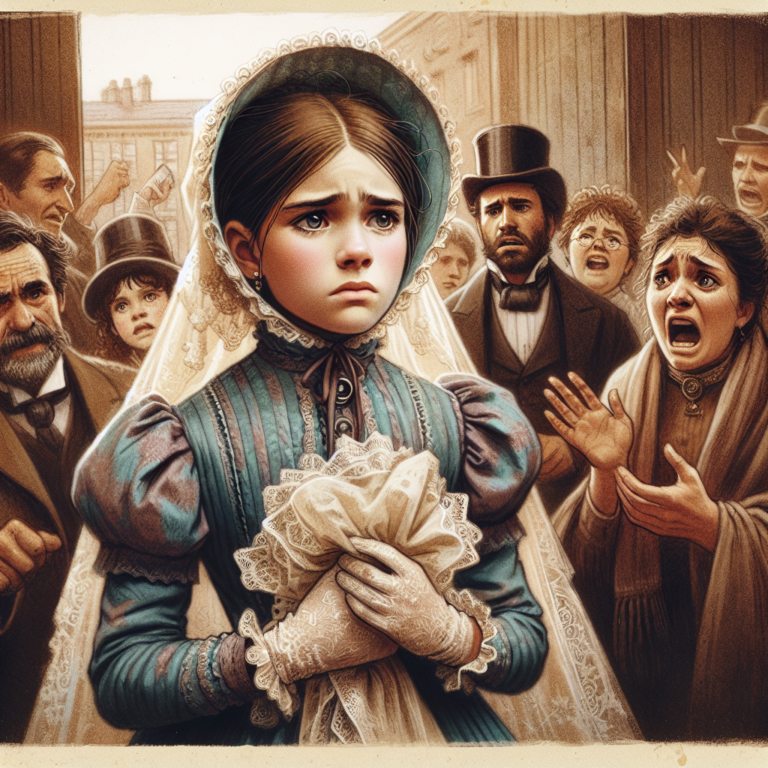
Child marriage is a deeply rooted tradition that continues to persist in many parts of the world. Although progress has been made in recent years to combat this practice, it remains a significant issue that requires urgent attention. As we delve into this topic, let us explore the detrimental effects of child marriage on young girls and the steps being taken to challenge this age-old tradition.
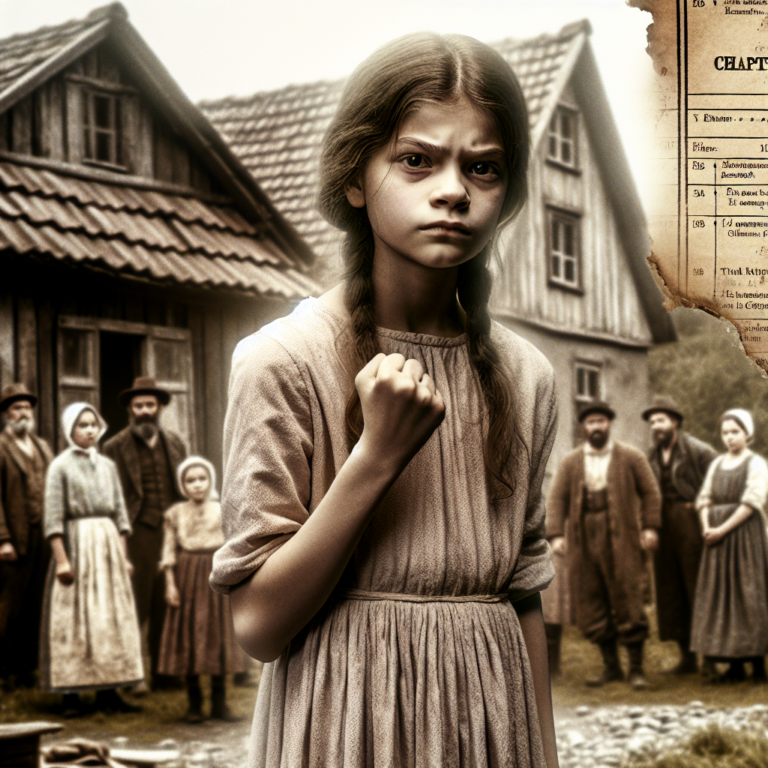
In various societies, the prevailing belief is that girls should be married off at a young age to ensure their protection and preserve family honor. Unfortunately, this cultural norm perpetuates a cycle of poverty and gender inequality. When girls are forced into marriage at a young age, they are often denied access to education and economic opportunities. This not only limits their potential but also perpetuates a cycle of poverty for generations to come.
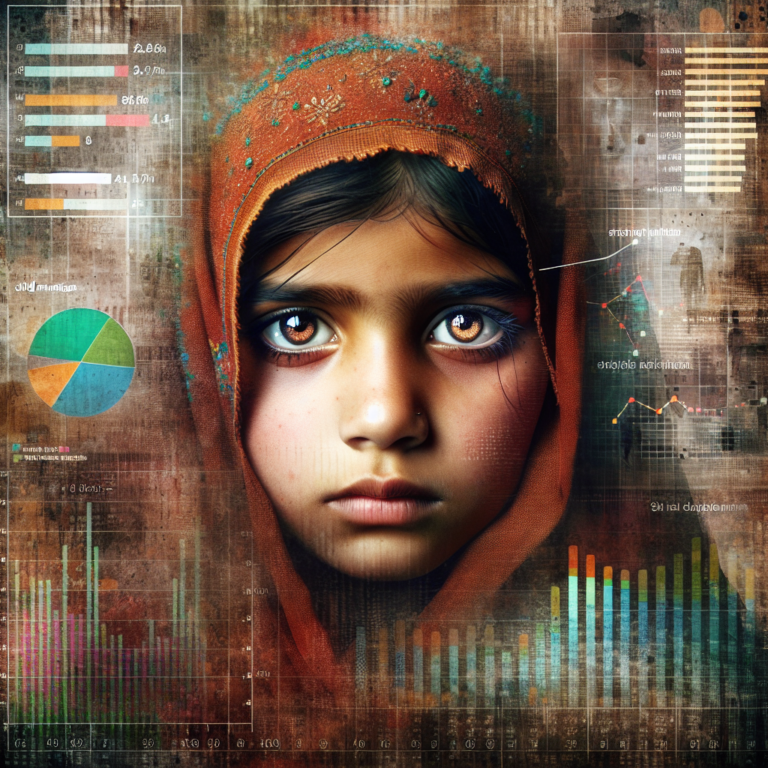
Furthermore, child marriage places girls at a higher risk of experiencing domestic violence, sexual abuse, and early pregnancy. The physical and emotional toll on these girls is immense, as they are often not ready or equipped to navigate the challenges of marriage and motherhood. These consequences have a long-lasting impact on their overall well-being, hindering their social, educational, and economic development.
Recognizing the gravity of this issue, various organizations, governments, and activists have come together to challenge child marriage. They are working towards raising awareness, advocating for policy changes, and implementing initiatives that empower young girls. By engaging communities, religious leaders, and families, these efforts aim to change social norms, challenge traditional beliefs, and protect the rights of girls.
Education plays a pivotal role in combating child marriage. By educating both boys and girls on the negative consequences of early marriage, we can shatter the myths surrounding this tradition. Investing in girls’ education is a crucial step towards breaking the cycle of poverty and empowering them to become agents of change within their communities.
Legislation is another crucial aspect of addressing the issue. Governments need to enact and enforce laws that set the minimum age of marriage, ensuring that young girls are protected from this harmful practice. However, legislation alone is not enough. Implementation and enforcement must be prioritized to achieve tangible results.
Addressing child marriage also requires the engagement of religious and community leaders. Their influence and guidance can play a significant role in shifting societal norms and promoting alternative practices that prioritize the well-being and rights of young girls. Encouraging dialogue and collaboration between these leaders can help bridge the gap between tradition and modernity.
In addition to global efforts, individuals can also contribute to tackling child marriage. By supporting organizations that work towards ending child marriage and promoting gender equality, we can make a difference. Donating, volunteering, or advocating for change can all contribute to raising awareness and mobilizing resources to combat this harmful practice.
As we navigate the complexities of the modern world, it becomes imperative that we challenge the harmful traditions that hold societies back. Child marriage is an issue that demands our attention and requires collective action. By addressing the root causes of child marriage, we can create a world where every girl has the opportunity to fulfill her potential, free from the constraints of tradition.
In conclusion, child marriage persists as a deeply rooted tradition in many parts of the world, impeding the well-being and development of young girls. Efforts to challenge this harmful practice include raising awareness, advocating for policy changes, implementing educational initiatives, and engaging religious and community leaders. By working collectively, we can break the cycle of child marriage and create a more equitable and just world for girls everywhere.
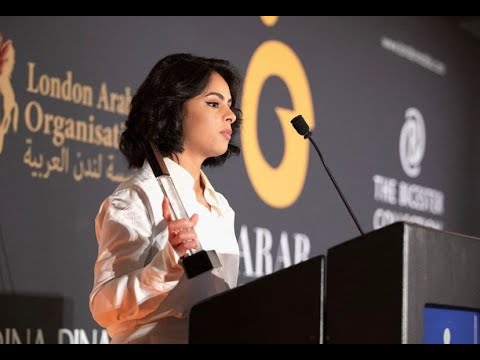
Nada Alahdal
A human rights activist to advocate for the issue of child marriage, and head of the Nada Foundation for the Protection of Girls