Forced Marriage: Breaking the Chains That Bind
Imagine being stripped of your autonomy, your freedom, and your future. Envision being forced into a life you did not choose, with a partner you did not love. This is the harsh reality faced by countless individuals around the world who fall victim to forced marriages. In many cultures, this deplorable act remains prevalent, perpetuating the cycle of pain and suppressing the fundamental rights of individuals. Today, let us shed light on this crime against humanity, understand its implications, and explore the actions we can take to end this injustice.
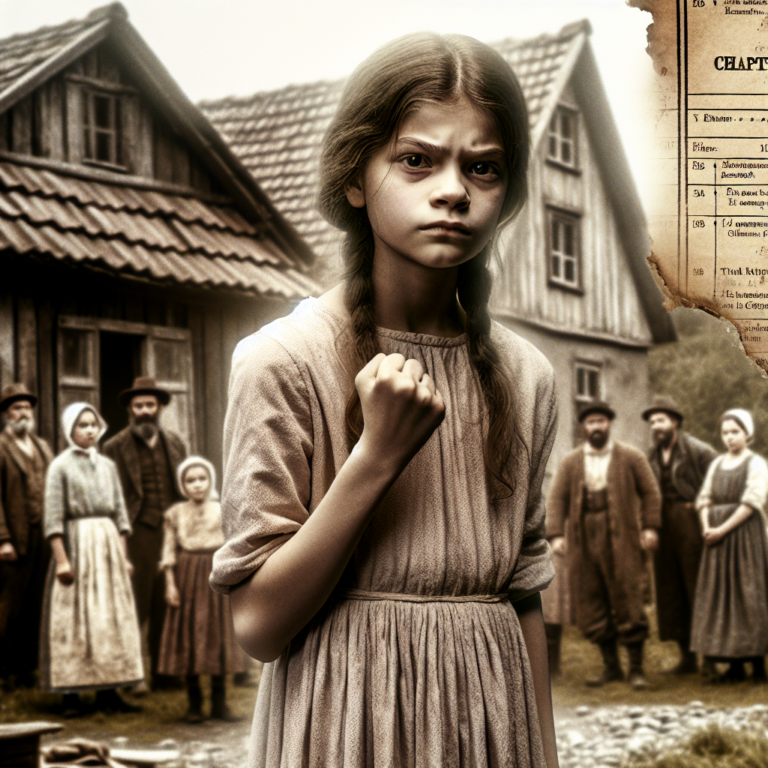
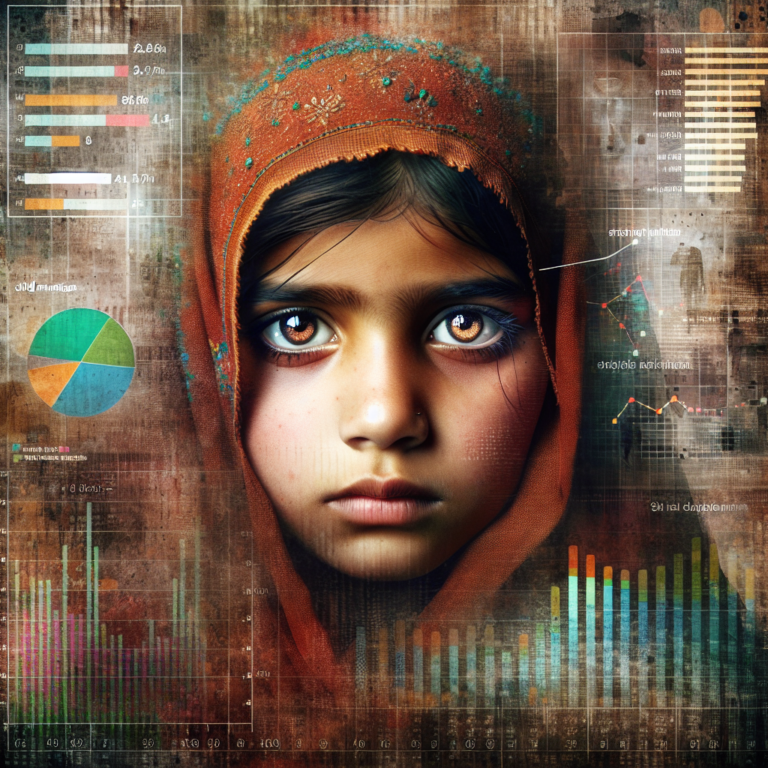
Forced marriage is a heinous practice that occurs when an individual is coerced, threatened, or manipulated into a marriage without their free and informed consent. It disregards the very essence of human rights, targeting women and girls most commonly. These victims are often trapped by societal pressures, family traditions, or economic motives. But make no mistake – this is not a cultural issue, but rather a violation of basic human rights.
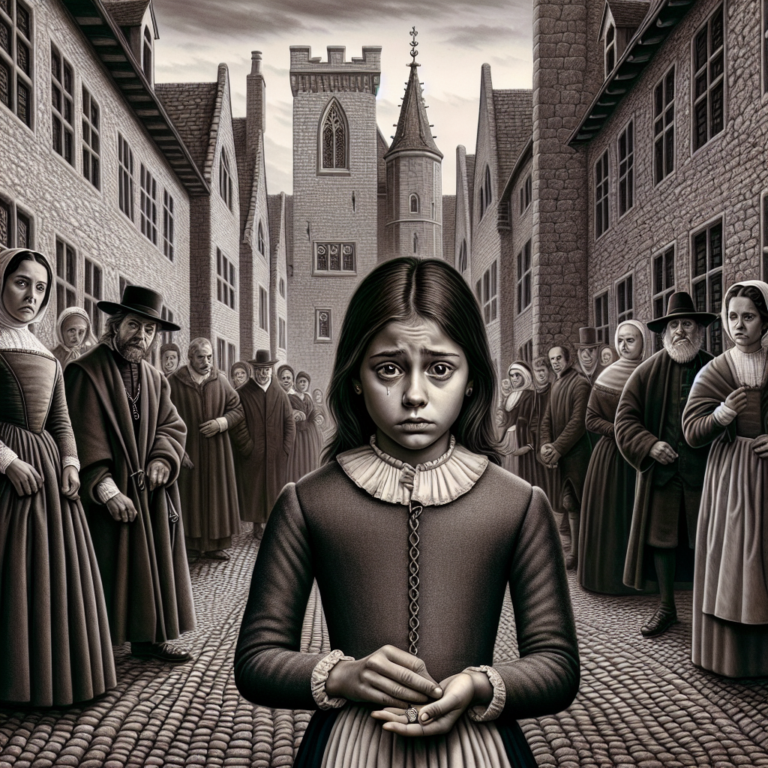
The consequences for those subjected to forced marriages are unimaginable. They suffer immense psychological trauma, isolation, and a loss of self-identity. Forced marriages frequently lead to physical, sexual, and emotional abuse, causing enduring scars on the victims. Their education is abruptly halted, dreams shattered, and aspirations quashed. This cycle of oppression robs them of their voice, their dreams, and their ability to participate fully in society.
However, it is essential to recognize that the fight against forced marriage is gaining momentum. Communities, activists, and governments worldwide are joining forces to tackle this grave issue head-on. Laws and policies are being enacted to criminalize this practice, safeguarding vulnerable individuals, and providing them with the support and resources they desperately need. In some countries, specialized helplines and assistance programs have been established to provide safe spaces for victims to seek help and guidance.
Education plays a pivotal role in eradicating forced marriages. By raising awareness about the rights of individuals and the consequences of this crime, we can prevent it from taking place in the first place. It is crucial to empower both young men and women, ensuring they understand their right to make choices about their own lives. By imparting knowledge and fostering critical thinking, we equip individuals to challenge harmful traditions and norms.
Another vital aspect in the fight against forced marriages is fostering international cooperation and collaboration. By sharing lessons, best practices, and resources, we can develop effective strategies to eradicate this crime. Additionally, supporting local organizations and activists working on the ground is essential. By amplifying their voices and providing the necessary funding, we strengthen the global movement against forced marriages.
In conclusion, forced marriage remains a grave violation of human rights that demands our immediate attention. We must condemn this practice in all its forms and tirelessly pursue justice for the victims. By implementing stringent laws, fostering education, and promoting international collaboration, we can envision a world free from the chains of forced marriages. Together, let us be the voice for those who are silenced and work towards a future where every individual has the freedom to choose their own destiny.
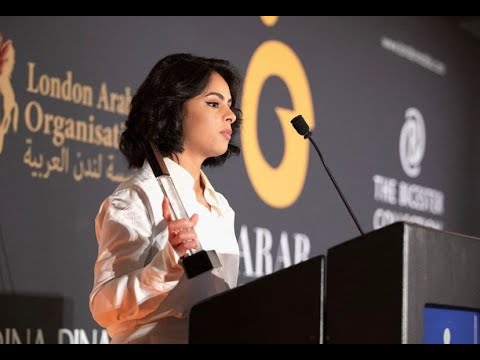
Nada Alahdal
A human rights activist to advocate for the issue of child marriage, and head of the
for the Protection of Girls