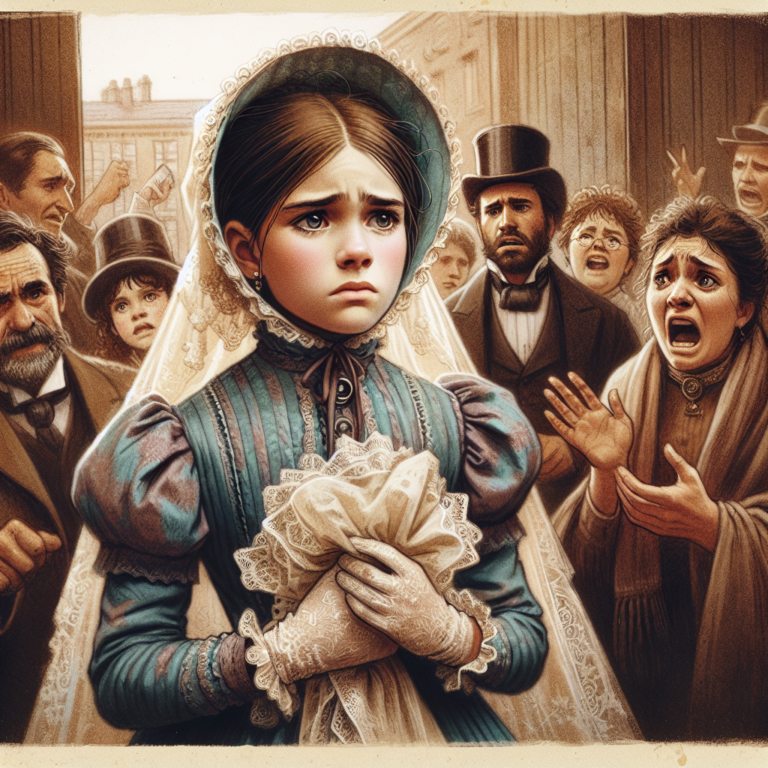
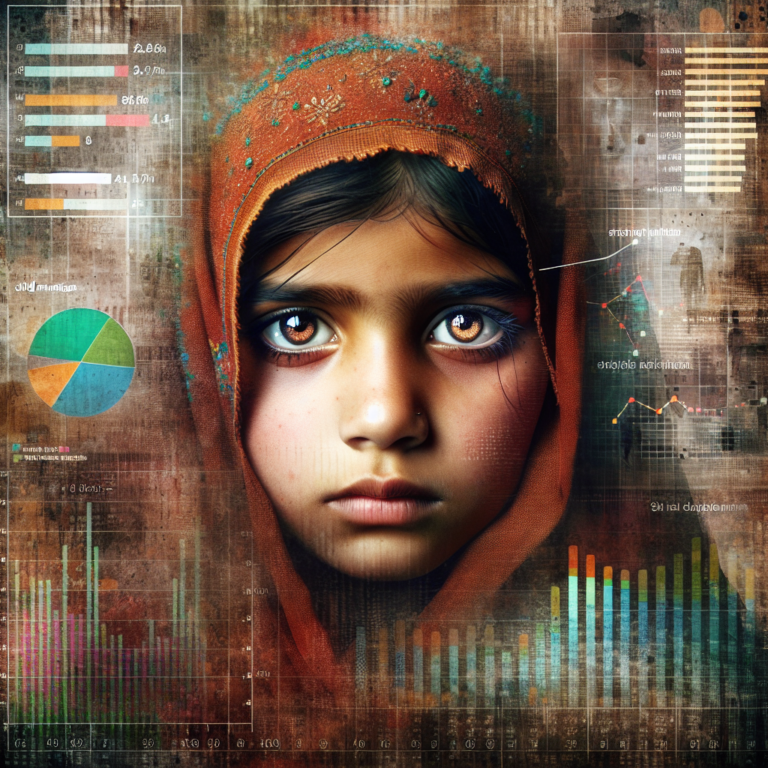
Early marriage, also known as child marriage, has long been a deeply rooted cultural practice in many societies around the world. It refers to the marriage of individuals before they reach the age of 18, which is the legal age of consent in most countries. Unfortunately, this practice continues to have a profound impact on societies, often leading to negative consequences for both the individuals involved and the wider community.
One of the most significant effects of early marriage is the direct impact it has on the individuals themselves, particularly young girls. Married at a young age, these girls are often forced to drop out of school, denying them the opportunity for education and personal development. Consequently, they are more likely to face limited economic opportunities and remain dependent on their spouses or families.
Moreover, early marriage poses serious health risks for young girls. Their bodies are not yet fully developed, increasing the chances of complications during pregnancy and childbirth. Studies have shown that child brides are at a higher risk of experiencing premature labor, low birth weight babies, and even maternal mortality. They are also more vulnerable to domestic violence and sexually transmitted infections due to a lack of knowledge and empowerment.
The societal impact of early marriage is equally devastating. It perpetuates a cycle of poverty and gender inequality in communities where the practice is prevalent. When young girls are married off, they are often married to older men, perpetuating a power imbalance within these relationships. This power imbalance limits their ability to make decisions regarding their own lives, leading to the perpetuation of traditional gender roles and hindering progress towards gender equality.
Furthermore, early marriage hinders the development of communities by reducing the labor force and limiting the potential of young girls. When girls are married at a young age, they are no longer able to contribute to the workforce or pursue higher education. This not only limits their personal growth but also hampers the development of the community as a whole. Communities that prioritize early marriage miss out on the benefits of having educated and empowered individuals, which is crucial for the social, economic, and political progress of any society.
Addressing the issue of early marriage requires a multi-faceted approach. Legislation must be enacted and enforced to raise the legal age of marriage to 18, ensuring that individuals have the chance to reach adulthood before entering into such significant commitments. Education and awareness programs must also be developed to challenge the cultural norms that perpetuate this harmful practice. By providing young girls with access to education and supporting their aspirations, societies can break the cycle of early marriage and empower girls to fulfill their potential.
In conclusion, early marriage has far-reaching negative consequences for individuals and societies. It robs young girls of their childhood, education, and health, perpetuates gender inequality, and hampers the development of communities. Only by addressing the root causes and implementing proactive measures can we hope to overcome the detrimental effects of early marriage and create a more equitable and prosperous society for all.
Nada Alahdal
A human rights activist to advocate for the issue of child marriage, and head of the
for the Protection of Girls