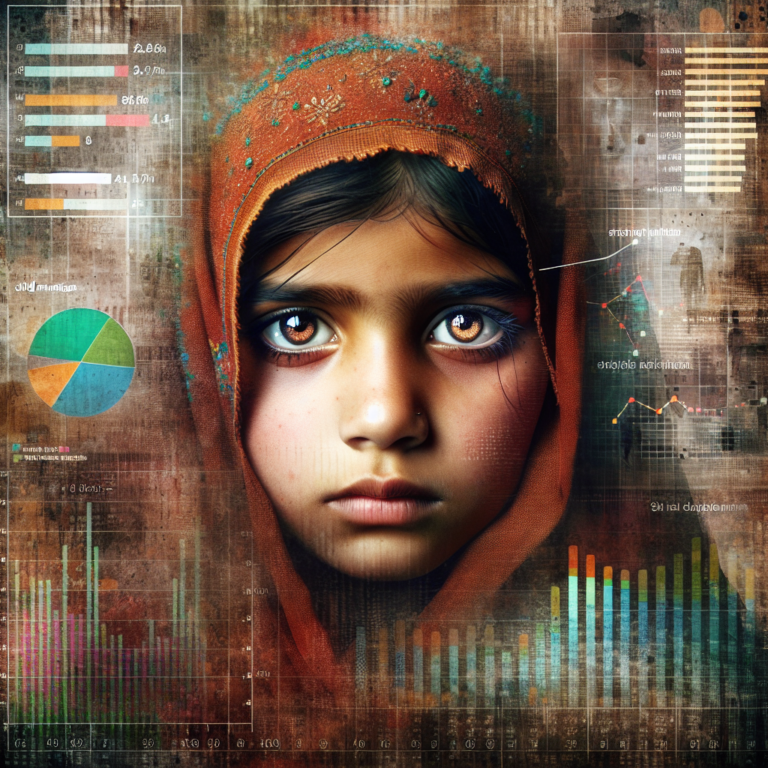
Lost Dreams: How Child Marriage Robs Girls of Their Futures
Introduction:
Child marriage is a deeply rooted practice that is still prevalent in several parts of the world, particularly in developing countries. It robs millions of girls of their dreams, forcing them into early adulthood before they are ready. This article explores the devastating consequences of child marriage and sheds light on the efforts being made to eradicate this harmful practice.
1. The Reality of Child Marriage:
Child marriage refers to the marriage or union of individuals under the age of 18. According to UNICEF, approximately 12 million girls are married before the age of 18 each year, with devastating consequences for their lives. Child marriage predominantly affects girls, perpetuating gender inequality and denying them essential rights such as education, health, and personal development.
2. Barriers to Education:
One of the most significant consequences of child marriage is the denial of education to girls. Many young brides are forced to drop out of school, limiting their opportunities for personal growth and professional careers. Education is vital for empowerment, as it equips individuals with knowledge, skills, and independence.
3. Health Risks and Early Motherhood:
Child marriage exposes girls to severe health risks and early motherhood. Young brides often lack access to adequate healthcare, increasing the chances of maternal and child mortality. Early pregnancies can lead to complications, including premature births, infant mortality, and maternal health issues such as obstetric fistulas.
4. Psychological and Emotional Impact:
The psychological and emotional toll on child brides cannot be overlooked. Being married off at a young age often results in feelings of isolation, low self-esteem, depression, and anxiety. These girls are deprived of their childhood and robbed of the dreams they once had for their future.
5. The Cycle of Poverty:
Child marriage perpetuates the cycle of poverty in communities. When girls are married early, they often rely on their husbands and families for financial support, preventing them from gaining the skills and education necessary to secure decent jobs. As a result, not only are these girls more likely to live in poverty, but their children also face similar circumstances, perpetuating the cycle.
6. Root Causes and Cultural Norms:
Child marriage is deeply rooted in cultural norms and practices. Traditional beliefs, poverty, and gender inequality contribute to its persistence. Challenging these deep-rooted norms is crucial to put an end to this harmful practice and enable girls to fulfill their dreams and potential.
7. Efforts to Eradicate Child Marriage:
Numerous organizations, governments, and activists are working tirelessly to eradicate child marriage and support the empowerment of young girls. These efforts include raising awareness, advocating for policy changes, providing educational opportunities, offering vocational training, and promoting gender equality.
FAQs Section:
1. Are child marriages limited to specific regions or cultures?
Child marriages are prevalent in various regions worldwide, including Sub-Saharan Africa, South Asia, the Middle East, and parts of Latin America. However, it is vital to acknowledge that child marriage is not limited to any specific region or culture.
2. Why do parents allow their children to be married off at such a young age?
Parents may choose child marriage due to traditional beliefs, poverty, or the belief that marrying young will secure their daughters’ future by transferring the financial burden to their husbands. In some cases, it is also driven by social and economic pressures or the idea that marriage will protect their daughters from harm.
3. How do child marriage and poverty relate to each other?
Child marriage and poverty are interlinked. Poverty can drive families to marry off their daughters at a young age due to financial reasons. On the other hand, child marriage itself contributes to the perpetuation of poverty by limiting girls’ access to education and economic opportunities.
4. What can be done to eradicate child marriage?
To eradicate child marriage, comprehensive strategies are necessary. These include improving access to quality education, empowering girls and communities, promoting gender equality, and enforcing laws and regulations against child marriage. Additionally, addressing the root causes such as poverty and traditional norms is crucial.
Conclusion:
Child marriage remains a significant barrier to girls’ empowerment and denies them the opportunity to fulfill their dreams. Efforts must continue to raise awareness, advocate for policy changes, and implement interventions that address the root causes of child marriage. Only then can we ensure that every girl has the chance to reach her full potential, free from the shackles of child marriage.