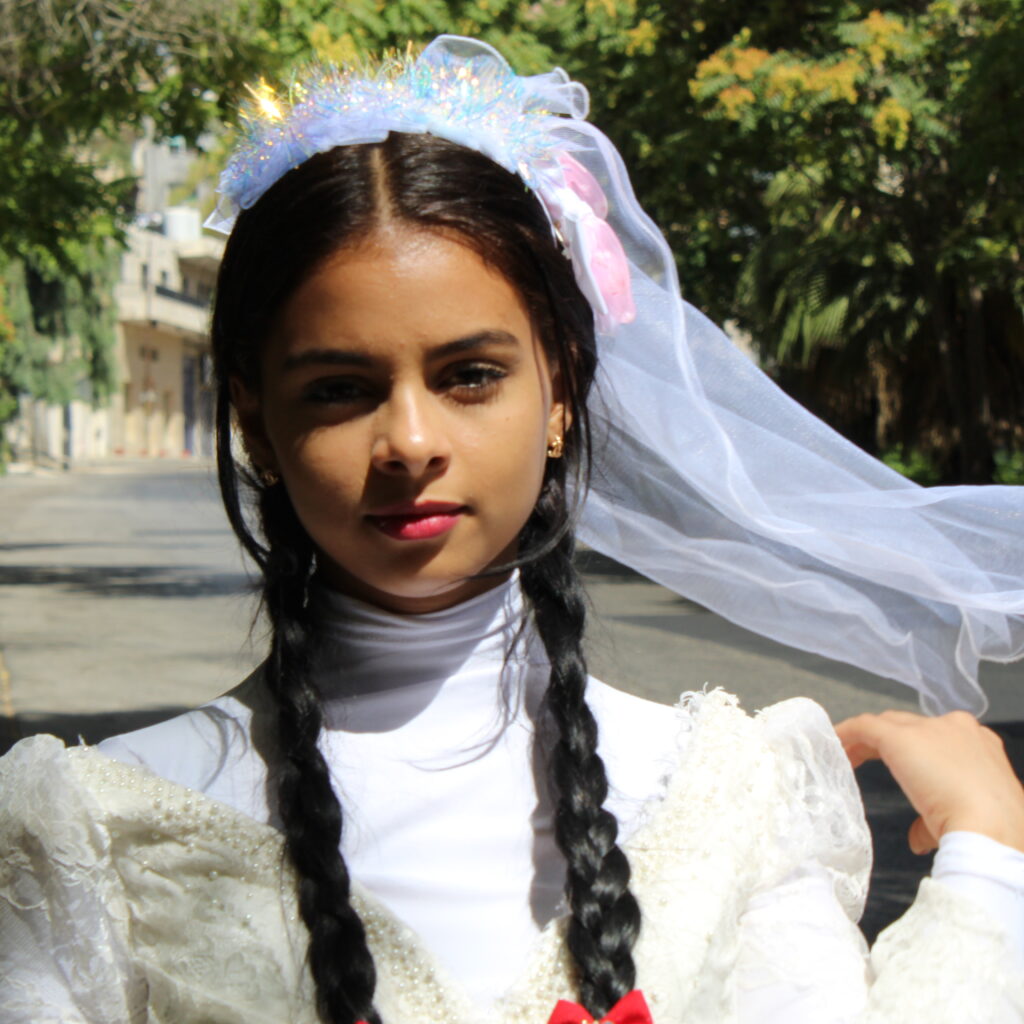
The Hidden Crisis: Unveiling the Tragic Consequences of Child Marriage
Introduction:
Child marriage is a deeply rooted issue that affects millions of young girls around the world. It is a complex problem that not only violates human rights but also has devastating consequences for the physical, emotional, and social well-being of these girls. The practice of child marriage, defined as any marriage where one or both parties are below the age of 18, continues to persist despite efforts to eradicate it. This article aims to shed light on the tragic consequences of child marriage and highlight the urgent need for action to address this hidden crisis.
Section 1: The Prevalence of Child Marriage
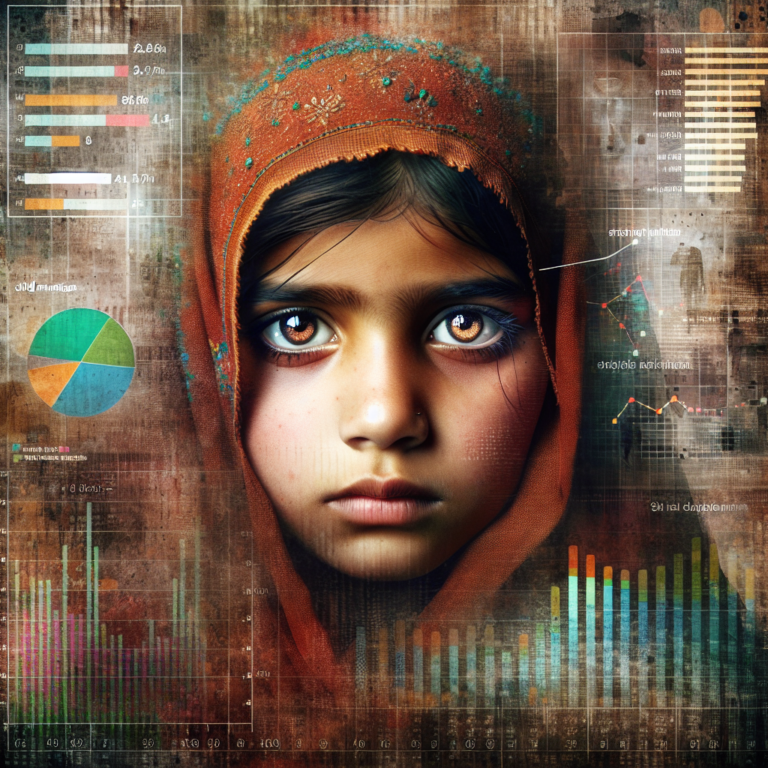
Child marriage is a global phenomenon, prevalent in various cultures and regions. According to UNICEF, more than 650 million women today were married before their 18th birthday. This means that 1 in 5 women globally entered into marriage as a child. The practice is particularly common in Sub-Saharan Africa, South Asia, and parts of the Middle East. Poverty, gender inequality, lack of education, and cultural norms are among the factors contributing to the persistence of child marriage.
Section 2: The Tragic Consequences
2.1 Physical Health Consequences:
Child marriage often leads to severe physical health consequences for young girls. Early pregnancy is a major risk, as their bodies are not fully developed to bear the physical burdens of childbirth. This increases their risk of maternal complications, including death during childbirth. Additionally, child brides are more likely to suffer from malnutrition, sexually transmitted infections, and domestic violence. The combination of these factors can have long-lasting detrimental effects on their physical well-being.
2.2 Emotional and Psychological Consequences:
Child marriage robs young girls of their childhood and exposes them to emotional and psychological trauma. Forced into adult responsibilities and marital relationships, these girls often face mental health issues, including anxiety, depression, and post-traumatic stress disorder. Isolation, lack of autonomy, and limited access to education exacerbate these emotional consequences, trapping them in a cycle of despair.
2.3 Education and Economic Consequences:
Child marriage disrupts a girl’s education and limits her opportunities for economic empowerment. Once married, girls are often forced to drop out of school, depriving them of the chance to gain knowledge, skills, and independence. This perpetuates the cycle of poverty and perpetuates gender inequality.
2.4 Social Consequences:
Child marriage perpetuates harmful gender norms, contributing to the subjugation and disempowerment of women in society. It reinforces the belief that women should be submissive and dependent on their husbands, limiting their participation in decision-making processes. Moreover, child brides often face social isolation, as they are secluded from their peers and families. This further erodes their social support networks and stigmatizes them within their communities.
Section 3: Taking Action Against Child Marriage
Addressing child marriage requires a multi-faceted approach involving governments, civil society organizations, and communities. Efforts should focus on promoting education, empowering girls, and raising awareness about the consequences of child marriage. Legislation should be enforced to establish and strengthen legal frameworks protecting girls from early marriage. The provision of comprehensive sexual and reproductive health services and the promotion of gender equality are fundamental steps in ending child marriage.
Frequently Asked Questions (FAQs):
Q1: Why does child marriage persist despite being recognized as a human rights violation?
A: Child marriage is deeply rooted in social and cultural norms that prioritize patriarchal values, perpetuate gender inequality, and limit girls’ autonomy. These norms are slow to change, requiring sustained efforts to challenge them.
Q2: How does child marriage perpetuate poverty?
A: Child marriage disrupts girls’ education, limiting their opportunities for economic empowerment. Without education or job prospects, these girls are more likely to remain trapped in a cycle of poverty, depriving them of social and economic mobility.
Q3: Are boys also affected by child marriage?
A: While child marriage primarily affects girls, it also has consequences for boys. Early marriage limits their educational opportunities and reinforces harmful gender norms, perpetuating societal imbalances.
Q4: What can individuals do to help combat child marriage?
A: Individuals can support organizations working to end child marriage by donating money, volunteering, or spreading awareness. Advocating for policies that protect girls’ rights, promoting education, and challenging cultural norms are also vital steps to create positive change.
Conclusion:
Child marriage is a hidden crisis with severe consequences for girls’ physical, emotional, and social well-being. The international community must prioritize efforts to end this pervasive practice. By investing in education, empowering girls, and advocating for policy changes, we can work towards a world where every child can enjoy their childhood, exercise their rights, and fulfill their potential. Only by addressing child marriage can we truly achieve gender equality and a brighter future for all.