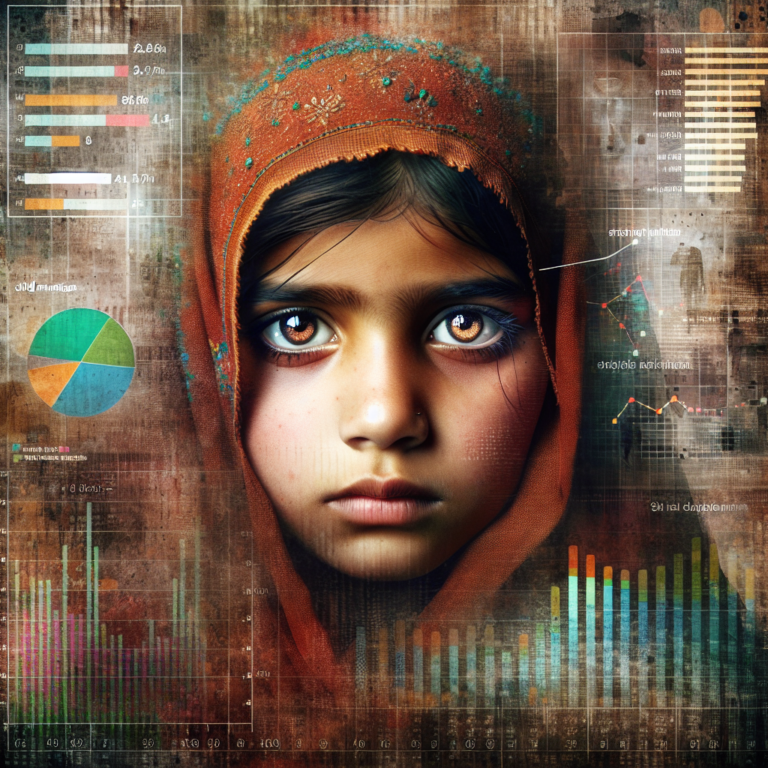
Innocence Lost: Exploring the Dark Reality of Child Marriage
Introduction
Child marriage remains a distressing global issue that robs millions of children, particularly girls, of their childhood, education, and future prospects. Defined as the union of individuals under the age of 18, child marriage affects nearly every region of the world. This article delves deep into the dark reality of child marriage, uncovering the causes, consequences, and attempts to address this pervasive problem that has an enduring impact on societies worldwide.
Causes of Child Marriage
Multiple factors contribute to the prevalence of child marriage. Cultural, social, and economic dynamics often perpetuate this practice. In some communities, child marriage is viewed as a traditional norm, rooted deeply in customs and beliefs. Poverty and financial strain can also contribute to child marriages, as desperate families often see marriage as a way to reduce the economic burden of caring for their children. Additionally, gender inequality, lack of education, and limited access to healthcare further compound the issue. These causes intertwine to create a complex web that traps countless children in a life they are not yet prepared for.
Consequences of Child Marriage
The consequences of child marriage are far-reaching and devastating, affecting not only the individual children but also their communities and societies at large. Education is often the first victim as girls are pulled out of school to assume household responsibilities or fulfill the duties of marriage. This perpetuates a cycle of poverty, as educated individuals are more likely to secure stable employment and contribute to the economic growth of their communities. Child brides are also more vulnerable to domestic violence, sexual abuse, and various health problems, including higher rates of maternal and infant mortality. Moreover, child marriage undermines efforts to achieve gender equality and violates child rights as outlined by the United Nations Convention on the Rights of the Child.
Efforts to Combat Child Marriage
Numerous organizations, governments, and activists have made significant strides in fighting child marriage. Awareness campaigns play a crucial role in debunking cultural misconceptions surrounding child marriage and educating communities on the harm it causes. Implementing and enforcing laws that set the minimum marriage age at 18 can help reduce child marriage rates. Furthermore, investing in education, particularly for girls, and providing economic opportunities to families can break the cycle of poverty and address the underlying issues that drive child marriage. Collaboration between governments, civil society, and local communities is vital to creating sustainable change and safeguarding the rights and well-being of children.
FAQs
Q: How prevalent is child marriage globally?
A: Child marriage affects approximately 12 million girls each year globally, or one girl every three seconds.
Q: Which regions have the highest rates of child marriage?
A: Child marriage is most prevalent in sub-Saharan Africa, followed by South Asia. However, it occurs in various degrees across the world, including parts of the Middle East, Latin America, and even in developed countries.
Q: Are boys affected by child marriage?
A: While girls make up the majority of child marriage victims, boys are also affected, although to a lesser extent.
Q: How does child marriage impact the health of young girls?
A: Child brides are at a higher risk of experiencing complications during pregnancy and childbirth, leading to increased maternal and infant mortality rates. They are also more likely to contract sexually transmitted infections and suffer from mental health issues.
Q: What can be done to eradicate child marriage?
A: Combating child marriage requires a multi-faceted approach. It involves raising awareness, changing cultural norms, enforcing laws, improving educational opportunities, and addressing the root causes such as poverty and gender inequality.
Conclusion
Child marriage is a harrowing issue that continues to deny countless children their right to a safe and fulfilling childhood. The causes are deeply rooted in societal dynamics and require comprehensive efforts to dismantle. The consequences of child marriage extend far beyond the individual affected, impacting communities and societies as a whole. By understanding the causes, consequences, and potential solutions, societies and organizations can work together to eradicate child marriage, fostering a brighter future for those whose innocence has been tragically lost.