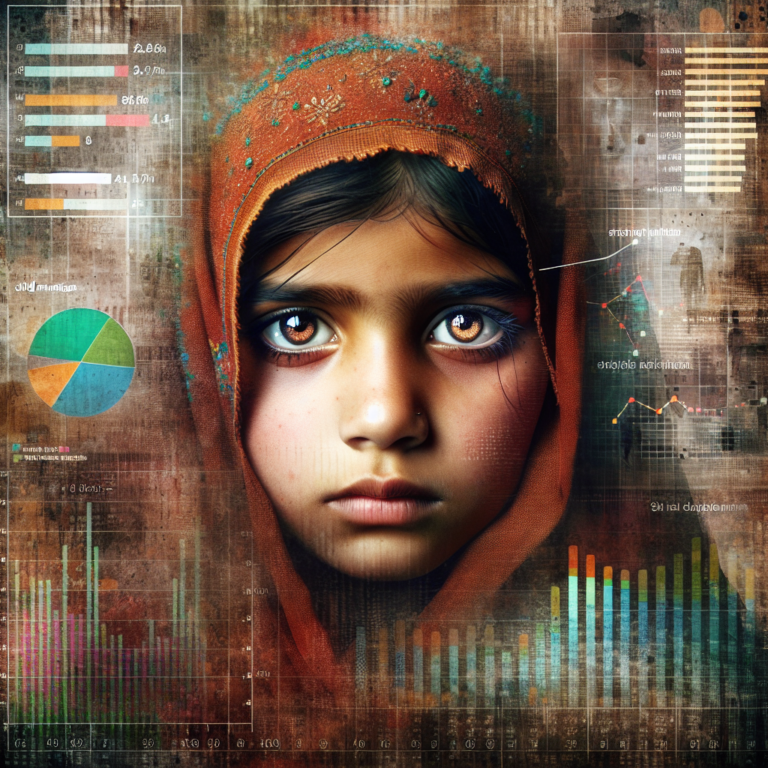
Title: Stealing Childhood: The Devastating Impacts of Child Marriage
Introduction:
Child marriage is a global phenomenon that affects millions of children, predominantly girls, every year. It refers to the union of individuals below the age of 18, either voluntarily, through cultural practices, or forcibly, due to economic or social constraints. Despite being outlawed in many countries, child marriage persists, robbing countless children of their childhood and subjecting them to a lifetime of devastating consequences. This article will delve into the profound impacts of child marriage, shedding light on the physical, emotional, and socio-economic toll it takes on these innocent victims.
The Devastating Impacts of Child Marriage:
1. Physical Health Consequences:
Child marriage exposes young girls to severe health risks. Premature pregnancy, often resulting from child marriage, poses numerous dangers such as maternal mortality, obstructed labor, increased risk of stillbirths, and low birth weight babies. Young girls’ bodies are not fully developed, making them vulnerable to complications during pregnancy and childbirth.
2. Limited Education and Economic Opportunities:
Child marriage forcibly curtails education, preventing young girls from realizing their true potential. Girls who marry early are often forced to drop out of school, stripping them of the skills and knowledge necessary for economic empowerment. Without education, these girls are more prone to poverty, limiting their ability to break the cycle of intergenerational poverty for themselves and their future offspring.
3. Increased Vulnerability to Gender-Based Violence:
Child marriage perpetuates gender-based violence, as young brides are more likely to experience domestic abuse and sexual violence within their marriages. These girls lack the emotional and psychological maturity required to make informed decisions about their lives and are often subjected to physical, sexual, and emotional abuse without any legal protection or escape.
4. Mental and Emotional Consequences:
Child marriage takes a tremendous toll on the mental and emotional well-being of young girls. They are thrust into adulthood prematurely, leaving them ill-prepared to cope with the responsibilities and pressures of married life. This can lead to anxiety, depression, and other mental health issues. Furthermore, the lack of agency and control over one’s life contributes to a sense of disempowerment and low self-esteem.
FAQs:
Q1. Why does child marriage still occur despite being illegal?
A1. Child marriage persists due to deep-rooted cultural and traditional practices, lack of awareness, poverty, insecurity, and gender inequality. Legal frameworks alone are not sufficient to eliminate this harmful practice; concerted efforts involving communities, governments, and NGOs are required to address the underlying causes.
Q2. What is the impact of child marriage on boys?
A2. While child marriage primarily affects girls, it also has detrimental impacts on boys. They are deprived of education and experience immense pressure to provide for their families at a young age, limiting their opportunities for personal growth.
Q3. Can child marriage be prevented?
A3. Yes, child marriage can be prevented through a multi-faceted approach. Raising awareness, strengthening laws and policies, improving access to education, ensuring economic opportunities, and providing social support can all contribute to ending child marriage.
Q4. What can individuals do to help combat child marriage?
A4. Individuals can contribute by supporting organizations working on the ground to raise awareness, lobbying for policy changes, providing financial assistance, and promoting education and empowerment programs targeted towards at-risk communities.
Conclusion:
Child marriage is a grave violation of human rights that denies children their childhood, education, and future prospects. The devastating impacts of child marriage are far-reaching, affecting not only the individual child brides but also their families and entire communities. It is crucial to continue the fight against child marriage through comprehensive strategies that address its root causes and provide support to vulnerable populations. Only then can we hope to create a world where every child is allowed to grow, learn, and thrive without the burden of early marriage.