Early Marriage in the Philippines: A Disheartening Reality
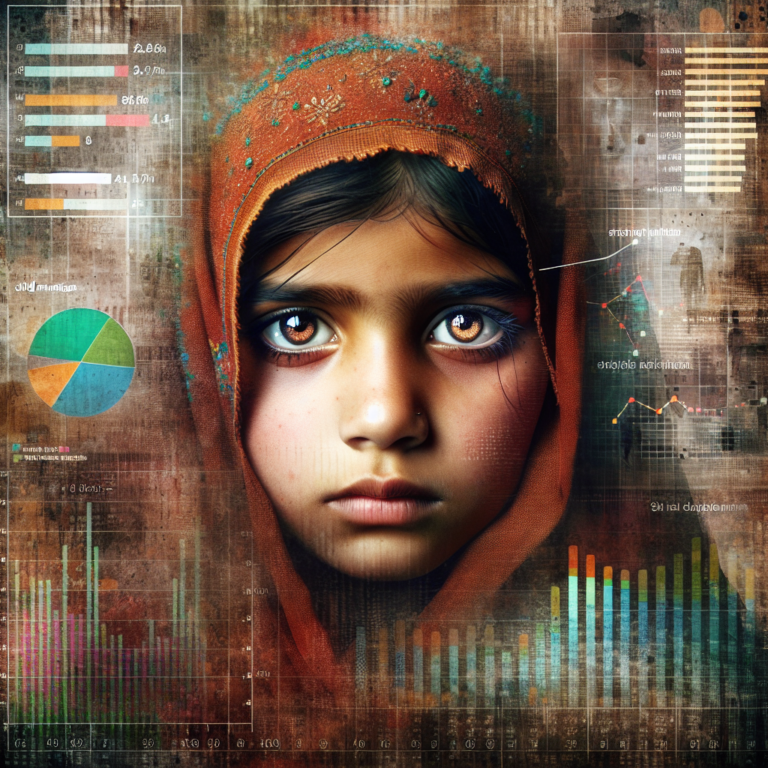
Every year, thousands of young men and women in the Philippines find themselves bound by the chains of early marriage. This distressing trend has become a significant social issue, leaving a lasting impact on individuals and communities alike. It is vital to shed light on the adverse effects of early marriage, perpetuated by cultural norms and limited access to quality education, healthcare, and economic opportunities.
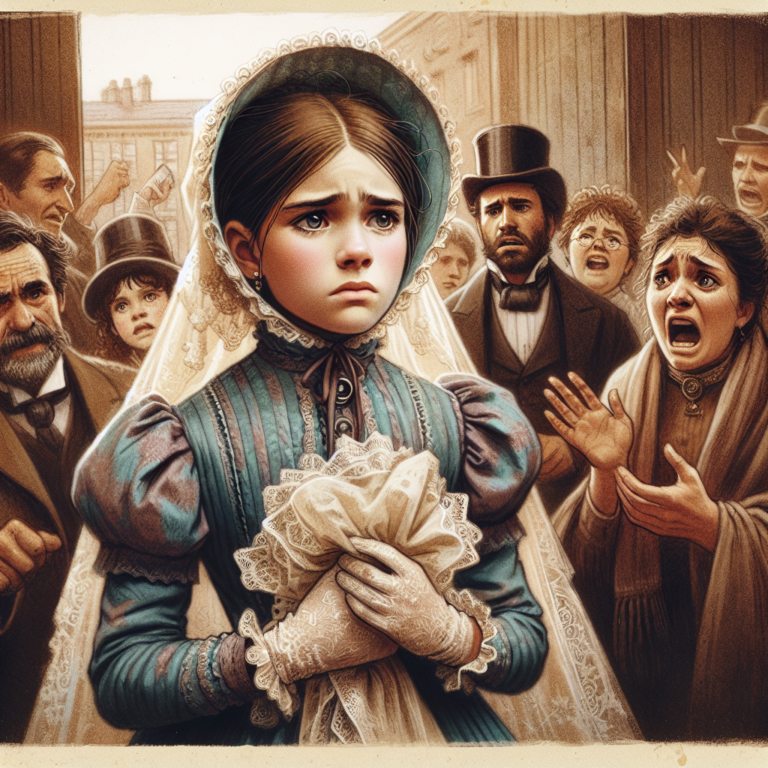
In the Philippines, underage marriage is deeply rooted in cultural traditions and societal expectations. Families often consider it a means to protect their daughters’ honor or provide financial stability. Unfortunately, these well-intentioned reasons often neglect the harmful repercussions that early marriage can have on both the young bride and groom.
One of the immediate effects of early marriage is the curtailment of education. Young girls are forced to abandon their dreams of pursuing higher education, perpetuating the cycle of poverty in these communities. Denied access to quality education, these girls remain ill-equipped to combat the challenges that life throws at them, limiting their potential for personal growth and empowerment.
Moreover, early marriage in the Philippines exposes young brides to a plethora of health risks. Their bodies are not yet fully developed, making them more susceptible to complications during childbirth. The lack of information and access to reproductive health services further exacerbates these risks. Consequently, teenage mothers endure physical and mental health issues, impacting not only their own well-being but the well-being of their children as well.
Economically, early marriage serves as another impediment for young couples in the Philippines. Married at a tender age, the opportunities for gainful employment diminish significantly. Young husbands often struggle to provide for their families and are burdened with responsibilities beyond their capabilities. Such circumstances perpetuate the cycle of poverty, leaving families trapped in dire straits.
The effects of early marriage extend beyond the individual to the community at large. The perpetuation of early marriage traditions impedes societal progress as a whole. By limiting the potential of its youth, the Philippines loses out on the skills and talents that could contribute to the country’s development, both economically and socially.
It is crucial for the government and civil society organizations to collaborate in addressing this issue. By focusing on comprehensive sex education, the dangers of early marriage can be highlighted, and young people can be empowered to make informed decisions about their lives.
Furthermore, efforts should be made to enhance educational opportunities and vocational training programs for young girls, ensuring that they have the means to escape the cycle of poverty. Access to reproductive healthcare and family planning services must also be prioritized to ensure the well-being of young mothers and their children.
In conclusion, early marriage in the Philippines detrimentally affects both individuals and society as a whole. By perpetuating the cycle of poverty and limiting access to education, healthcare, and economic opportunities, this practice curtails the future prospects of young Filipinos. It is imperative for all stakeholders to work hand in hand to eradicate this harmful tradition and provide young individuals with the chance for a better and brighter future.
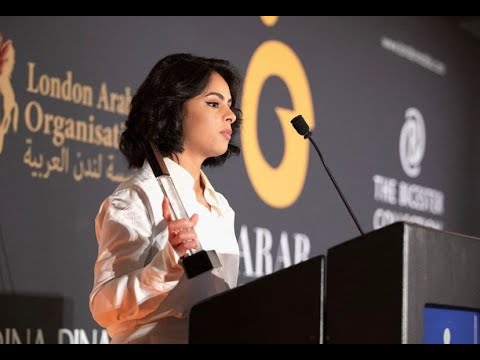
Nada Alahdal
A human rights activist to advocate for the issue of child marriage, and head of the
for the Protection of Girls