Child Marriage in Africa: A Haunting Reality with Devastating Impacts
In a continent as diverse and vibrant as Africa, child marriage remains a haunting reality, casting a dark shadow over the lives of countless young girls. This abhorrent practice robs children of their innocence, potential, and most importantly, their basic human rights. The consequences of child marriage in Africa are severe and far-reaching, perpetuating a cycle of poverty, illiteracy, and gender inequality. Let us delve into this troubling issue and shed light on the devastating impacts it has on the lives of these vulnerable children.
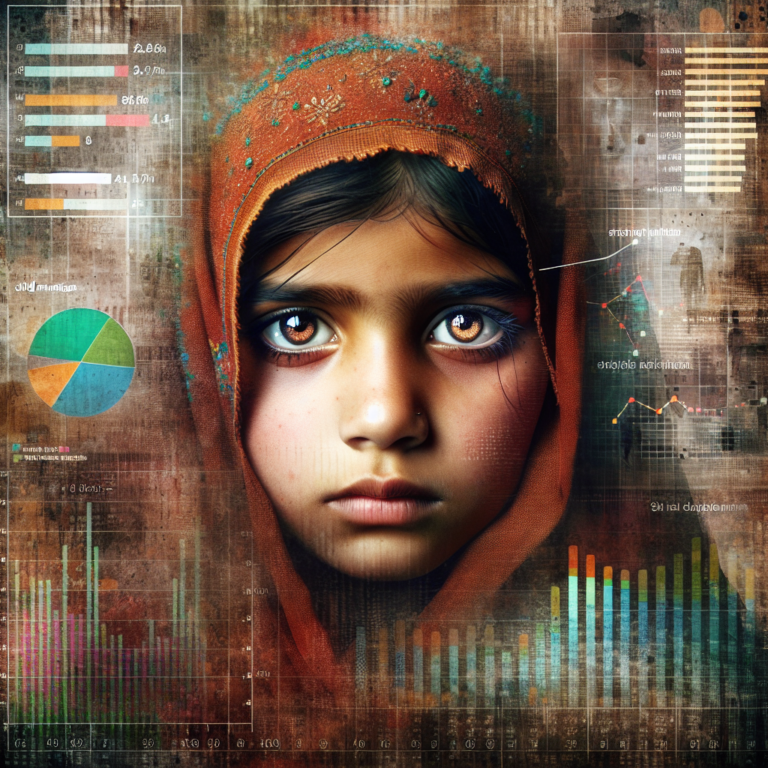
At its core, child marriage is the forcible union of a girl before she reaches the age of 18. Sadly, Africa bears witness to the highest rates of child marriage globally, with approximately 4 out of 10 girls being forced into early marriages. This statistic is simply unacceptable. It is a stark reminder that we have failed to protect the rights of our most vulnerable members of society.
Child marriage is often driven by poverty and cultural traditions that view girls as commodities rather than individuals. Families living in extreme poverty see marrying off their daughters as a means of reducing their economic burden. However, the consequences of this decision are far from beneficial.
One of the most devastating effects of child marriage is the curtailment of education. When a girl is forced into marriage at a young age, her dreams and aspirations are shattered. Instead of attending school and acquiring knowledge, she is thrust into marital responsibilities that she is ill-equipped to handle. The lack of education perpetuates the cycle of poverty and denies these girls the chance to fulfill their potential.
Furthermore, child marriage increases the risk of various health complications. Young girls who become wives and mothers before their bodies are physically ready suffer from a higher incidence of maternal mortality, infant mortality, and childbirth injuries. The physical toll on their bodies is immense, trapping them in a cycle of poor health and vulnerability.
Child marriage also perpetuates gender inequality. By marrying girls off at a young age, we send a powerful message that their worth lies solely in their ability to bear children and serve their husbands. This reinforces harmful gender norms and hampers efforts to achieve gender equality in Africa. It is essential to break these barriers and create a society where every girl has the opportunity to reach her full potential.
Efforts to tackle child marriage in Africa must start at multiple levels. Governments must strengthen legislative frameworks to protect children from early marriage. Additionally, society needs to challenge the harmful cultural norms and traditions that normalize this practice. Education plays a crucial role, as it empowers girls to assert their rights and resist societal pressures.
Non-profit organizations and grassroots movements have made significant strides towards combating child marriage. They provide support, education, and advocacy to vulnerable girls, aiming to break the cycle of child marriage. Raising awareness among communities is key – by engaging religious and community leaders, we can change mindsets and promote the importance of allowing girls to grow into empowered women.
In conclusion, the impact of child marriage in Africa is far-reaching and devastating. It strips young girls of their rights, potential, and dignity. Eradicating this practice requires a multifaceted approach, addressing poverty, education, health, and gender inequality. The future of Africa depends on investing in its young girls and granting them the opportunity to become leaders, innovators, and changemakers. Together, we must work towards a continent that values and protects the rights of all its children, allowing them to flourish and contribute to a brighter future.
Nada Alahdal
A human rights activist to advocate for the issue of child marriage, and head of the
for the Protection of Girls