Child Marriage Effects: Understanding the Consequences of an Unfortunate Practice
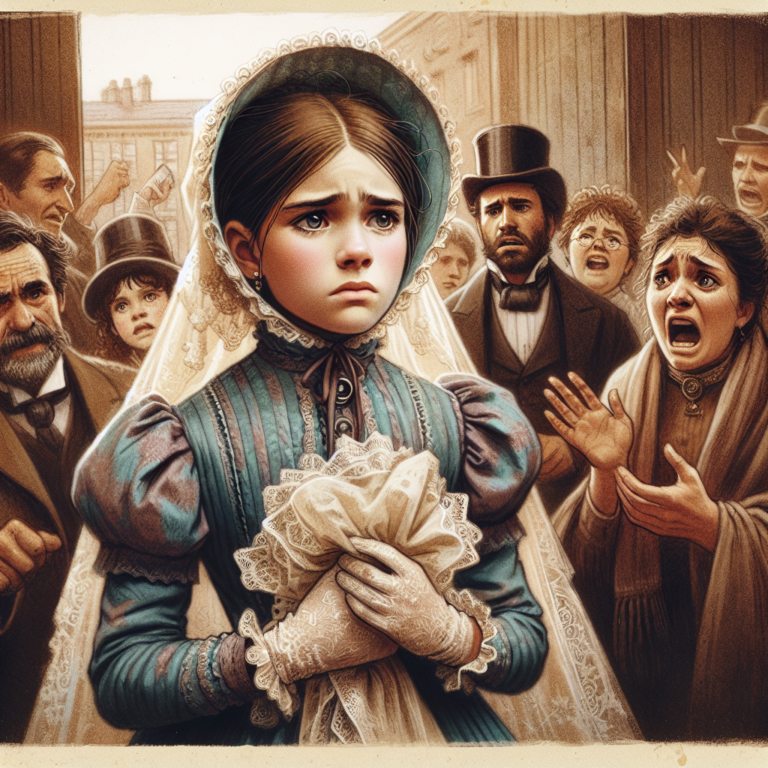
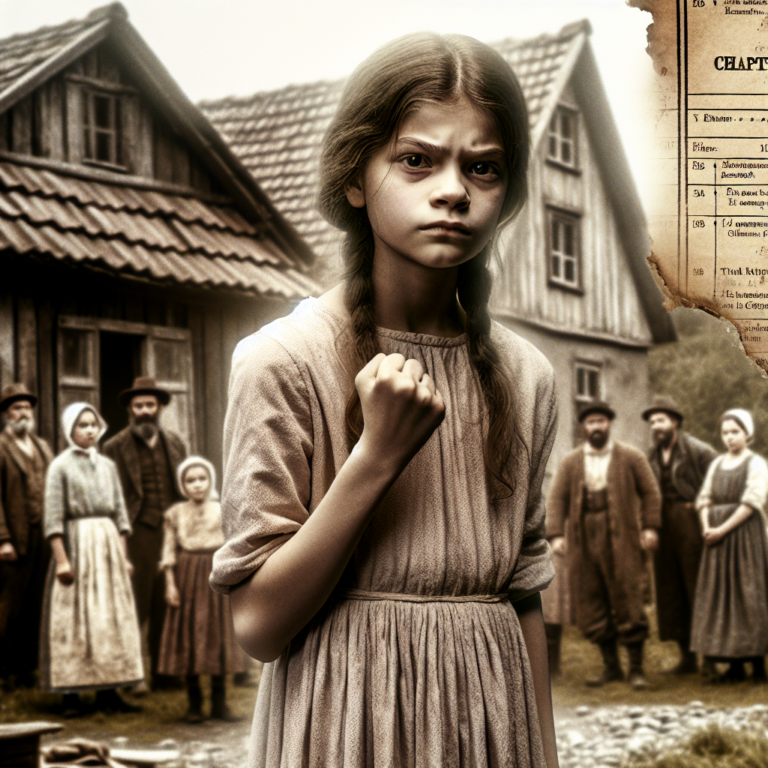
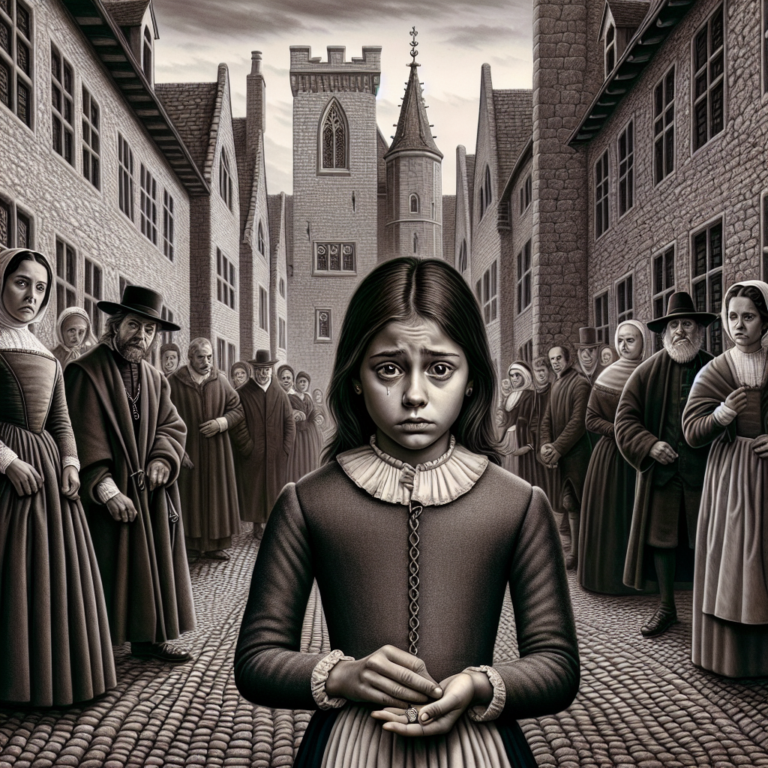
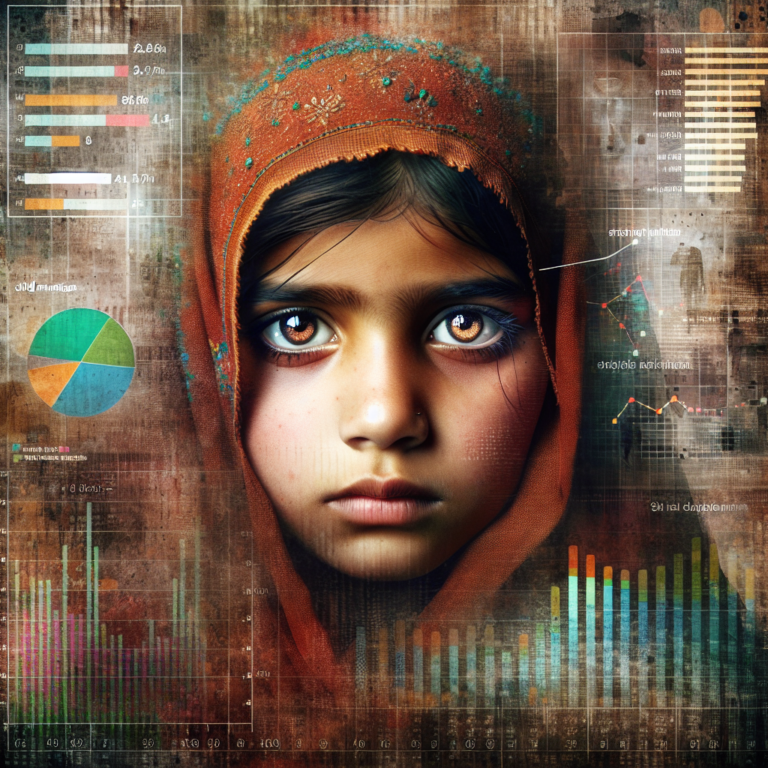
Child marriage is a deeply concerning issue that continues to plague societies across the globe. It involves marrying off young girls before they reach adulthood, often to much older men. This harmful practice not only robs these children of their childhood and education but also exposes them to various health risks and perpetuates a cycle of poverty. Today, we will delve into the effects of child marriage and shed light on the long-lasting consequences it can have on individuals and communities.
Education is a fundamental right for every child, as it empowers them to thrive and contribute to society. Unfortunately, child marriage severely hampers a girl’s access to education. Many girls who become child brides are forced to drop out of school, as their role shifts from being students to being wives and mothers. This lack of education not only limits their potential but also stifles their chances of economic independence in the future. Education is the key to breaking free from the chains of poverty, and child marriage acts as a powerful barrier to achieving this.
Apart from hindering education, child marriage also has serious health implications for young girls. Physical and psychological immaturity puts these girls at a higher risk of childbirth complications, as their bodies are not fully developed for such a demanding task. Child brides are more prone to experiencing complications during pregnancy and childbirth, leading to increased maternal mortality rates. Moreover, these girls often lack the knowledge and resources to take care of themselves and their children, resulting in poor health outcomes for both.
Child marriage perpetuates a vicious cycle of poverty within communities. When girls are married off at a young age, they miss out on opportunities for personal growth and skill development. As a result, they are more likely to rely on their husbands and in-laws for financial support, perpetuating their dependence. Furthermore, the children born to child brides are also more likely to face the same fate, continuing the cycle of poverty and limiting their chances of a brighter future.
In addition to individual consequences, child marriage also has far-reaching societal repercussions. Communities that practice child marriage tend to perpetuate harmful gender norms and inequalities. When girls are married off at young ages, their dreams and aspirations are snuffed out, reinforcing the belief that their role is solely within the domestic sphere. This reinforces gender disparities and prevents progress towards gender equality.
Efforts to tackle child marriage must focus on addressing the root causes and providing support for those affected. Initiatives should include education programs that emphasize the importance of staying in school and teach girls skills that can help them become economically independent. Moreover, there is a need for comprehensive sexual and reproductive health education that equips young girls with the knowledge to make informed decisions about their bodies.
In conclusion, child marriage is a detrimental practice that harms young girls physically, psychologically, and economically. It deprives them of education, exposes them to severe health risks, perpetuates poverty, and reinforces gender inequalities. It is our collective responsibility to raise awareness, advocate for change, and provide support to those affected. Every child deserves the right to a safe and fulfilling childhood, free from the shackles of child marriage. Let us work together to eradicate this harmful practice and empower future generations to thrive.
Nada Alahdal
A human rights activist to advocate for the issue of child marriage, and head of the
for the Protection of Girls