Child Marriage: Breaking the Chains of Tradition and Empowering Young Lives
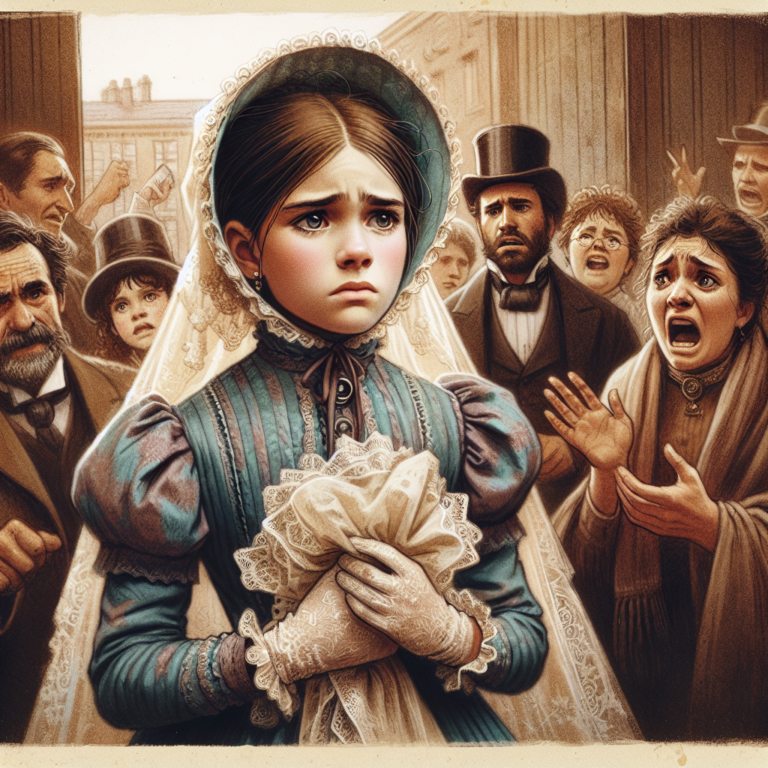
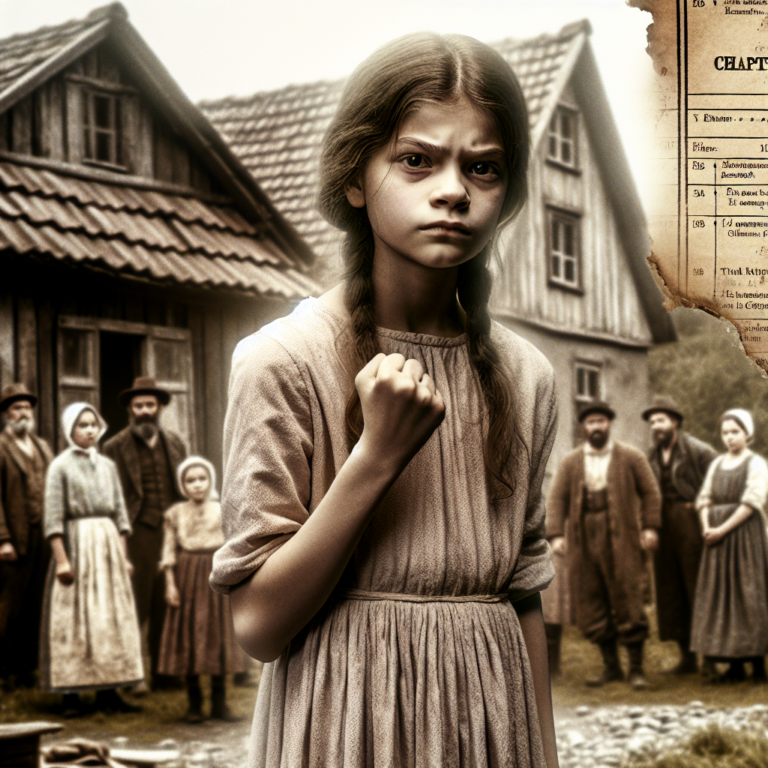
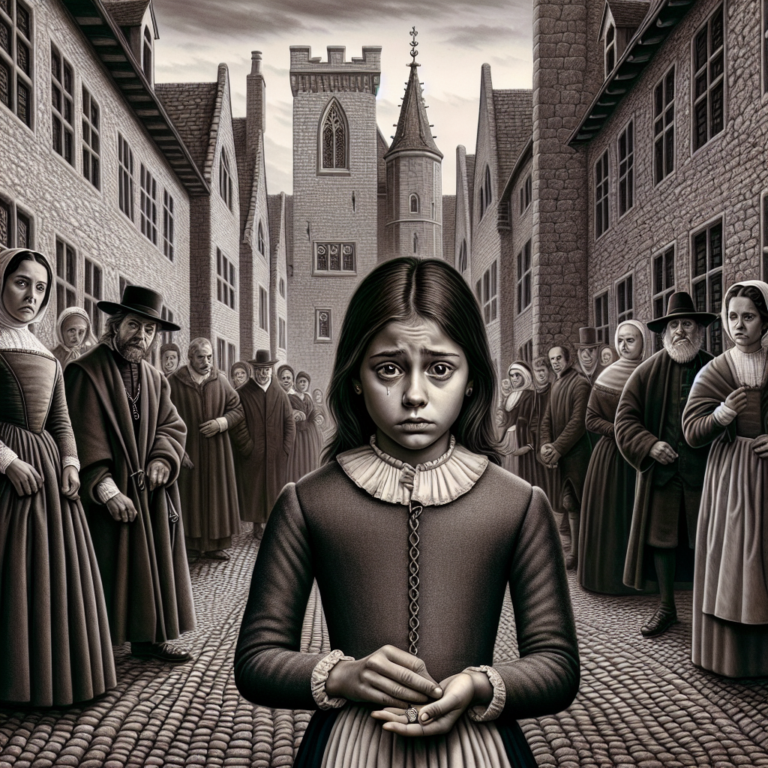
In many parts of the world, a disturbing practice continues to persist against the well-being and basic human rights of children – child marriage. This deeply rooted phenomenon, driven by a complex range of factors, poses significant challenges to the social, economic, and educational development of countless young individuals. By comprehending the causes behind child marriage, we can collectively work towards ending this harmful tradition and fostering a brighter future for children worldwide.
Poverty, unfortunately, remains one of the leading causes of child marriage. In impoverished communities, parents often see early marriage as a means to ease their financial burdens. Marrying off their young daughters is viewed as a way to reduce the expenses of raising a girl until she is economically self-reliant. Trapped in a cycle of poverty themselves, parents are compelled to make these difficult decisions, unaware of the long-lasting negative consequences it has on their child’s life.
Gender inequality plays a pivotal role in perpetuating child marriage. In societies where women and girls are systematically disadvantaged, they are often denied access to education and economic opportunities. Consequently, families perceive marriage as the only conceivable option for their daughters, oblivious to the detrimental effects on their health, well-being, and future prospects. Eradicating child marriage necessitates addressing and transforming the societal norms that perpetuate gender inequality, offering equal opportunities for all, regardless of gender.
Another influential factor in child marriage is cultural and societal expectations. In certain communities, girls are viewed as mere property, commodities to be traded for economic or social gain. This dehumanizing view prompts families to arrange marriages for their young daughters, as they believe it aligns with societal norms and expectations. Challenging and reshaping these deeply ingrained cultural beliefs is crucial in breaking the cycle of child marriage and ensuring children’s rights are protected.
Furthermore, armed conflict and humanitarian crises significantly contribute to the prevalence of child marriage. Displaced and vulnerable populations are often forced to rely on traditions such as child marriage to protect their daughters from harm or secure alliances with other communities. The disruption caused by conflict and crisis strips children of their sense of security and stability, leaving them vulnerable to exploitation and abuse. Addressing the underlying causes of conflict, investing in education, and providing psychosocial support are key components in reducing child marriage rates in these areas.
Religious and customary practices also influence child marriage rates. In some societies, religious interpretations and customs condone and even encourage early marriages. Cultural norms, misconceptions, and misinformation regarding religious teachings play a significant role in perpetuating this harmful tradition. Promoting dialogue and engaging religious leaders and community influencers is vital in challenging these interpretations and fostering a broader understanding that protects the rights and well-being of children.
Ending child marriage requires a multi-faceted approach that encompasses tackling poverty, gender inequality, cultural beliefs, armed conflicts, and religious practices. It is not a simple or quick fix, but through education, advocacy, and sustainable development efforts, we can begin to liberate children from the chains of tradition. By investing in girls’ education, empowering communities, and fostering dialogue, we can provide young individuals with the tools and opportunities they need to thrive, ensuring a brighter and more equitable future for all.
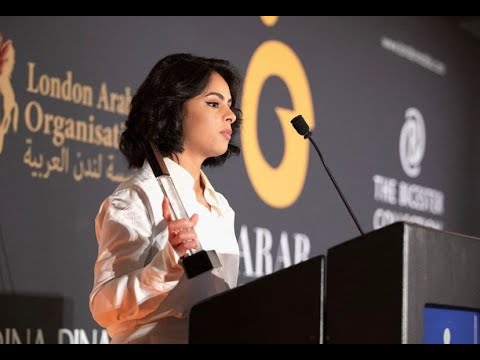
Nada Alahdal
A human rights activist to advocate for the issue of child marriage, and head of the
for the Protection of Girls