Forced Marriage in Kuwait: Striving for Freedom and Equality
In Kuwait, a growing concern persists within society – forced marriages. This deeply troubling practice not only goes against the principles of human rights but also hinders progress towards a more equal and inclusive society. It is imperative that we address this issue and strive for change to ensure the fundamental rights and well-being of individuals are protected.
Firstly, it is essential to understand what forced marriage entails. It refers to a situation where an individual is coerced into entering a marriage against their will. Often, these marriages are arranged without the consent or consultation of the parties involved, particularly targeting girls and young women. This infringement upon their autonomy and freedom not only restricts their personal choices but also denies them the opportunity to shape their own future.
Forced marriages have devastating consequences on the physical and mental well-being of those involved. Many individuals find themselves trapped in abusive relationships, lacking the support and resources to escape. This leads to a cycle of suffering and perpetuates societal norms that devalue personal liberty and individual autonomy. The emotional distress caused by forced marriages deeply impacts the mental health of those subjected to such practices, resulting in anxiety, depression, and even suicidal thoughts.
Furthermore, forced marriages hinder progress towards gender equality. By limiting the prospects and opportunities of girls and women, society indirectly supports the notion that their worth lies solely within the confines of marriage and motherhood. This perpetuates gender stereotypes and limits the potential contributions these women can make to their community and country. It is crucial that we break free from these outdated norms and empower individuals to pursue their own ambitions and dreams.
Addressing forced marriages requires collective efforts from various sectors of society. Educational institutions play a crucial role in raising awareness about the consequences and illegality of forced marriages. By incorporating comprehensive sex education programs that emphasize consent and individual rights, we can equip young individuals with the knowledge and tools to recognize and prevent such practices.
Religious institutions can also contribute towards eradicating forced marriages. By emphasizing the importance of consent and bodily autonomy within the context of religious teachings, they can promote a more compassionate and inclusive understanding of marriage. Community leaders and influencers also have the responsibility to actively speak out against forced marriages and challenge societal norms that perpetuate this harmful practice.
Additionally, empowering victims and providing them with safe spaces and resources is essential. Establishing support networks, counseling services, and helplines for those affected by forced marriages can aid in their journey towards liberation. It is crucial that we create an environment where individuals feel empowered to seek help and stand up against injustices.
Ultimately, ending forced marriages in Kuwait requires a collective effort. By challenging societal norms, educating the younger generation, and providing support for victims, we can work towards a more egalitarian and inclusive society. It is our duty as fellow human beings to stand up against injustice and protect the rights and freedoms of all individuals. Together, we can create a society where every individual has the agency to determine their own destiny.
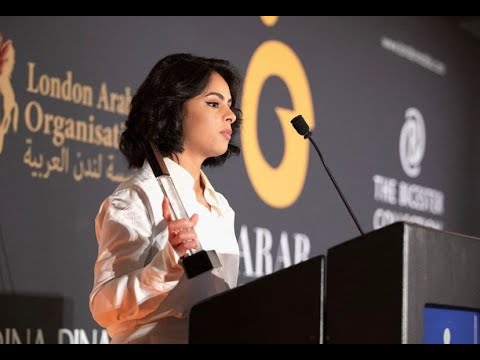
Nada Alahdal
A human rights activist to advocate for the issue of child marriage, and head of the
for the Protection of Girls