Child Marriage: A Harmful Practice That Must Be Eradicated
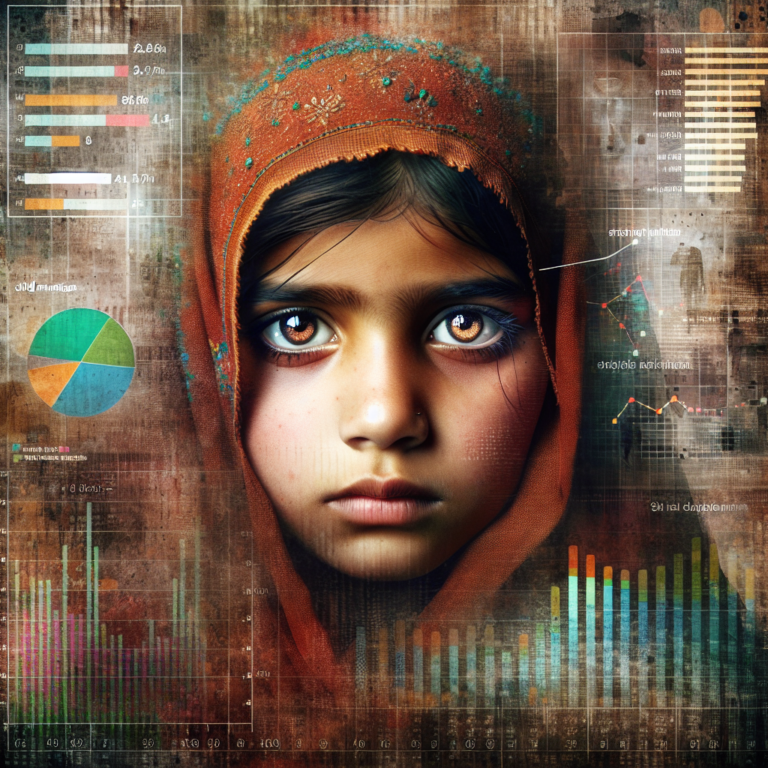
Child marriage is an archaic and detrimental practice that continues to persist in many parts of the world. This harmful tradition involves marrying children, predominantly young girls, off before they reach the age of 18. It robs them of their childhood, exposes them to severe health risks, and denies them the opportunity to receive an education and pursue their dreams.
In societies where child marriage is prevalent, it is often deeply rooted in cultural norms and traditions. Parents may believe that marrying off their children at a young age will secure their future and protect them from potential harm. However, this belief is unfounded and fails to consider the long-lasting negative consequences that child marriage inflicts upon these young individuals.
One of the most alarming consequences of child marriage is the physical and psychological toll it takes on the child brides. Premature pregnancies, which are common among girls who marry young, can result in severe health complications for both mother and child, including complications during childbirth and increased risk of maternal mortality. These young girls are often not physically or emotionally prepared for the demands of marriage and motherhood, leading to higher rates of domestic violence and depression.
Moreover, child marriage perpetuates the cycle of poverty and gender inequality. By marrying at a young age, girls are prevented from receiving an education, which significantly limits their future prospects. They are unable to develop essential skills, making them more susceptible to economic dependence and further marginalization. In contrast, boys who are not subjected to child marriage have a higher chance of gaining an education, pursuing careers, and breaking free from the cycle of poverty.
Efforts are being made by governments, organizations, and activists worldwide to eradicate child marriage and protect the rights of children. Laws and policies have been implemented to raise the minimum age of marriage and impose legal consequences on those who facilitate child marriages. Moreover, educational campaigns and awareness programs are crucial in changing societal attitudes and highlighting the detrimental impact of this practice.
To combat child marriage effectively, it is essential to address all contributing factors, including poverty, lack of education, and gender inequality. Empowering girls, providing access to quality education, and fostering gender equality are fundamental steps towards eliminating child marriage. It requires a multi-faceted approach that involves collaboration between governments, communities, and civil society organizations.
In conclusion, child marriage is a deeply rooted and harmful practice that robs young girls of their childhood and denies them basic human rights. It perpetuates poverty and gender inequality, posing immense risks to the physical and psychological well-being of the child brides. By implementing comprehensive strategies that address the root causes of child marriage, we can create a future where every child has the opportunity to thrive and fulfill their potential.
Nada Alahdal
A human rights activist to advocate for the issue of child marriage, and head of the
for the Protection of Girls